featured article
How to review app permissions and cut what an app does not need
Latest articles

Digitising a collection is not just scanning: metadata, rights, shared image standards and preservation decide whether the files stay findable and usable.
Rest days are not lost training time. Here is what recovery actually does for muscles, how much rest the guidance suggests, and why soreness is no scorecard.
Cabin air is compressed outside air, cooled, filtered and mixed with recirculated air, while one valve holds cabin pressure. Here is how the system works.
Shorter days break down green chlorophyll and unmask yellow pigments, while trapped sugars build the reds. Here is the chemistry behind autumn colour.
A library owns its print books but only licences its e-books, and that changes who can borrow, for how long, and why the file expires.
Progressive overload means gradually asking your body to do a little more than it is used to. Small, steady increases drive adaptation, not injury.
Change the router admin password, update firmware, use WPA3 or WPA2 AES, and switch off WPS, UPnP and remote access to close the usual ways into a home network.
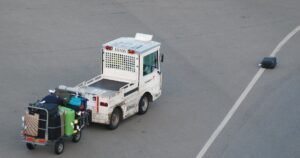
From the tag printed at check-in to the scanners that route it, here is how a checked bag reaches the aircraft and why some bags arrive late.

Charged particles, not sunlight, make the aurora. Here is how Earth's magnetic field shapes the glow, its colours and how far from the poles it reaches.