

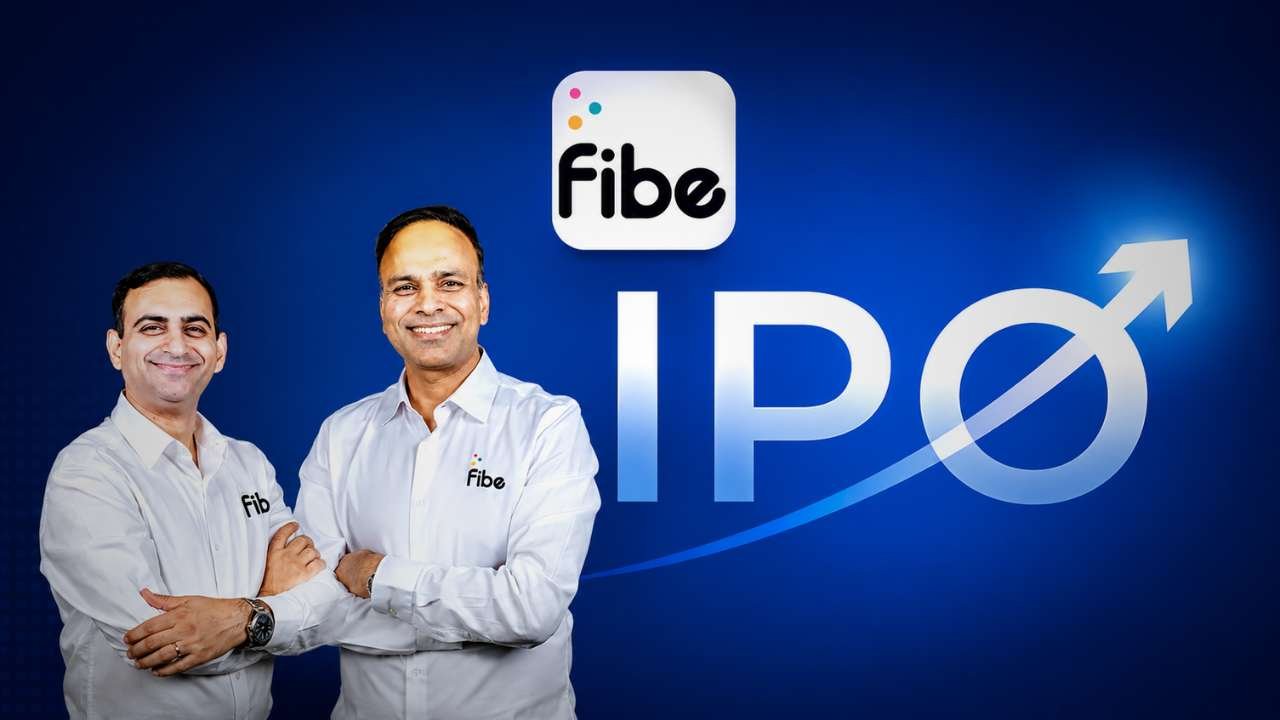
Digital lending platform Fibe, operated by Social Worth Technologies Limited, has filed its Draft Red Herring Prospectus (DRHP) with the Securities and Exchange Board of India (SEBI) to launch its Initial Public Offering (IPO). The company plans to raise up to ₹750 crore through a fresh issue of shares, while some of its existing investors will sell part of their holdings through an Offer for Sale (OFS).
The IPO comes as India’s digital lending sector continues to grow quickly. Fibe, which was earlier known as EarlySalary, has become one of the profitable fintech companies focused on providing loans to salaried individuals across the country.
IPO Details and How the Company Will Use the Funds
According to the DRHP, the IPO will include a fresh issue of equity shares worth up to ₹750 crore and an Offer for Sale of around 4 crore equity shares by existing shareholders. The company may also raise up to ₹150 crore through a pre-IPO placement before the public issue. If that happens, the size of the fresh issue may be reduced.
Several well-known investors are selling part of their stake through the OFS. TPG’s The Rise Fund III is the biggest seller, followed by investors such as Norwest Capital, Eight Roads Ventures India, Chiratae Ventures, Piramal Finance, TR Capital, Sabre Investment Consultants, Galaxystar Ground, IDG Ventures and Utkarsh.
The IPO has been divided into different investor categories. Around 50% of the issue has been reserved for Qualified Institutional Buyers (QIBs), 35% for retail investors and the remaining 15% for Non-Institutional Investors (NIIs). The company’s shares are expected to be listed on both the BSE and NSE.
Fibe plans to use nearly 75% of the money raised from the fresh issue to invest in its RBI-licensed NBFC subsidiary, EarlySalary Services Private Limited (ESPL). The company said this investment will strengthen the subsidiary’s capital and help it provide more loans in the future. The remaining amount will be used for general corporate purposes.
Fibe Reports Strong Business and Financial Growth
Fibe was founded in 2015 by Akshay Mehrotra and Ashish Sohan Goyal. It started by offering salary advance loans but later expanded into different types of consumer lending. In 2022, the company changed its brand name from EarlySalary to Fibe.
Today, Fibe offers personal loans, healthcare loans, education financing, travel loans, insurance financing, e-commerce loans, loans against mutual funds, digital fixed deposits and a RuPay co-branded credit card in partnership with Axis Bank.
Personal loans remain the company’s biggest business, making up more than 77% of its total assets under management (AUM). The remaining portfolio comes from purpose-based financing, including healthcare, education and other consumer needs.
The company has reported strong financial growth over the last few years. Its assets under management more than doubled to ₹8,603 crore as of March 31, 2026, compared to ₹4,064 crore two years ago.
Operating revenue increased by 31% to ₹1,585 crore in FY26 from ₹1,209 crore in FY25. Total income stood at ₹1,601 crore, with interest earned from loans being the largest source of revenue.
Fibe’s profit also saw strong growth. The company reported a net profit of ₹257.46 crore in FY26, more than double the ₹114 crore recorded in the previous financial year. During FY26, it disbursed loans worth ₹15,737.95 crore.
The company also improved its efficiency. It spent ₹0.77 to earn every rupee of operating revenue, compared to ₹0.91 in FY25. More than 53% of its new customers were acquired without spending anything on customer acquisition, showing stronger customer trust and word-of-mouth growth.
Key Risks Mentioned in the DRHP
Along with its strong financial performance, Fibe has also highlighted several risks in its DRHP that investors should know about.
The biggest risk is its heavy dependence on unsecured loans. Around 99.4% of its loan book consists of loans without collateral. This means the company could face higher losses if borrowers fail to repay during difficult economic conditions.
The company also depends heavily on repeat customers. A large share of its loans comes from existing borrowers, while lending to new customers carries higher risk because they do not have a repayment history with the company.
Another important risk is related to Default Loss Guarantee (DLG) agreements with partner banks. Fibe has reported significant losses on these guarantees over the last three financial years.
The company has also provided corporate guarantees worth more than ₹3,276 crore for borrowings raised by its NBFC subsidiary. If the subsidiary is unable to repay its loans, Fibe may have to meet those obligations.
Apart from financial risks, the company reported an employee attrition rate of around 24% in FY26. It also disclosed some tax and GST-related contingent liabilities and noted that it operates in a sector that is closely regulated by the Reserve Bank of India.
Despite these risks, Fibe is entering the public market with a profitable business, growing loan portfolio and support from leading institutional investors. The IPO will help the company strengthen its lending business and prepare for its next phase of growth as demand for digital credit continues to rise in India.