

India’s sports and fitness retail market is growing quickly, driven by new investments, changing customer preferences, sustainability efforts and government reforms. From startup funding to retail expansion and technology upgrades, several developments over the past year show that the country’s sports industry is moving beyond traditional retail.
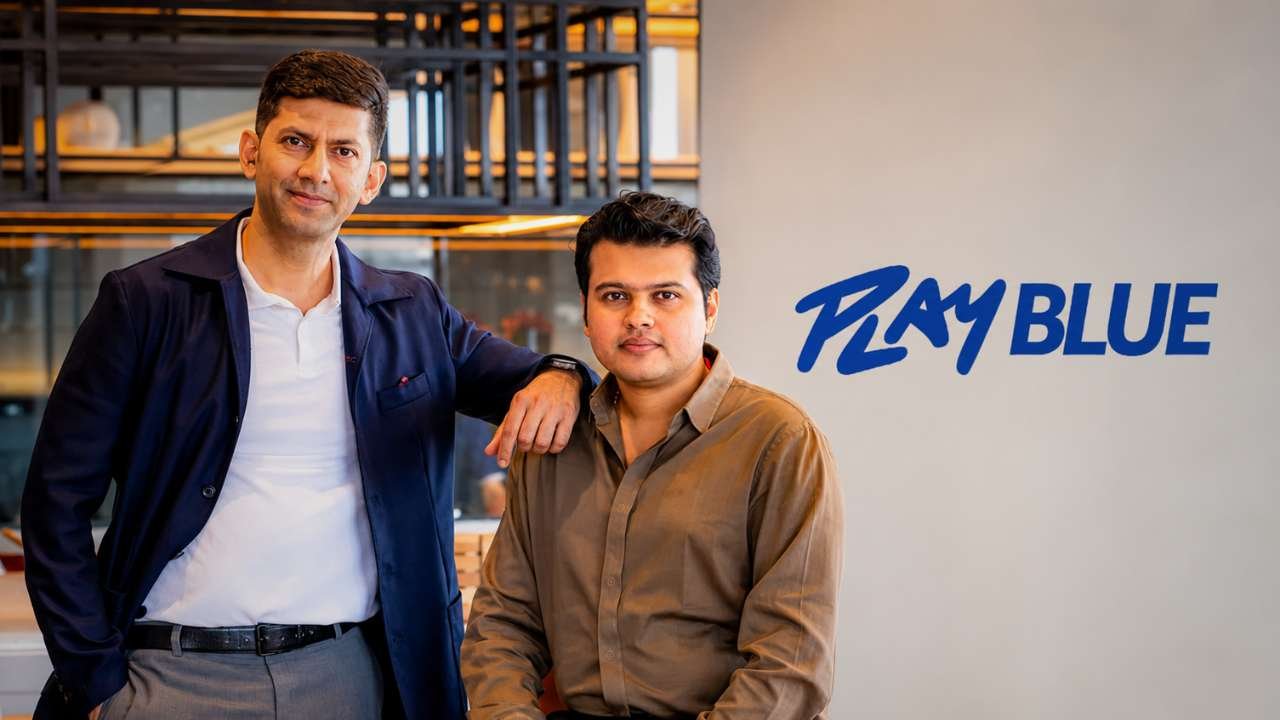
The latest example is PlayBlue, an omnichannel sports retail startup that has raised $2.7 million (around ₹20–21 crore) in seed funding. The investment reflects growing confidence in India’s sports and athleisure market, which is expected to reach $130 billion by 2030.
Founded in late 2025 by Satyam Trivedi and Jayam Vora, PlayBlue wants to create a premium shopping experience through both online and offline stores. The company sells athleisure wear, footwear, sports gear, fitness equipment, recovery products and nutrition items from more than 100 Indian and international brands.
PlayBlue Sets Big Expansion Plans
After raising fresh funding, PlayBlue is preparing to expand its retail presence across India. The company will first open a 15,000-square-foot flagship store in Bengaluru. It will then launch more destination stores in premium malls and high streets across Mumbai and Delhi NCR.
PlayBlue is aiming to generate ₹100 crore in revenue and become operationally profitable before raising its next round of funding. Looking ahead, the startup plans to open more than 150 stores over the next five years, build a community of over 10 million users and achieve annual revenue of ₹5,000 crore.
The sports retail market in India is becoming highly competitive. Global brands like Decathlon, Puma, Nike and Adidas continue to expand their presence, while Indian companies are also investing heavily. Total Sports & Fitness is raising fresh capital for expansion, and Agilitas is growing through acquisitions, making the competition even stronger.
The increasing popularity of fitness, sports and athleisure fashion has encouraged companies to invest in both physical stores and online platforms. Rising health awareness and greater participation in sports after the pandemic have also supported this growth.
Sustainability and Technology Are Changing Sports Retail
Apart from expansion, sustainability has become an important focus for sports retailers.
Decathlon India is expanding its circular economy programme through its “Second Life” initiative. The company plans to increase its circular business turnover to ₹100 crore by 2027 by offering repair, resale and buyback services across its stores. It also aims to keep around 300,000 sports products out of landfills by 2027.
The retailer is also working on making cricket equipment more sustainable by partnering to develop circular cricket gear for large-scale production.
At the same time, Reliance Retail is planning a new sports retail format to compete directly in this fast-growing market. These stores are expected to have larger retail spaces along with outdoor play areas, giving customers a better shopping experience.
Technology is also playing a bigger role in sports retail. A new AI-powered decision support system has shown how retailers can improve supply chain operations. After analysing more than two lakh orders, the system improved order fulfilment, increased same-day deliveries and reduced operational issues. This shows how artificial intelligence is becoming an important part of modern retail.
Government Reforms and Market Changes Open New Opportunities
India’s sports sector is also seeing major policy changes.
The National Sports Governance Act, 2025 has introduced important reforms to improve transparency and accountability in sports federations. The law creates a National Sports Board, strengthens safe sport policies, brings grant-receiving federations under the Right to Information (RTI) Act and limits the number of terms for office-bearers.
India is also working towards hosting bigger international sporting events. The government’s approval of Ahmedabad’s bid for the 2030 Commonwealth Games is seen as a major step towards the country’s goal of hosting the 2036 Olympic Games.
Meanwhile, the online gaming industry has gone through a major change after the Promotion and Regulation of Online Gaming Bill, 2025 banned real-money gaming involving monetary stakes. This forced many companies to change their business models.
Fantasy gaming company Dream11 responded by shifting completely to a free-to-play social gaming platform that earns revenue through advertisements and brand partnerships. The company is also expanding into financial services and international markets as part of its future growth plans.
Together, these developments show that India’s sports industry is entering a new phase of growth. New startup investments, sustainable retail practices, AI-powered technology, stronger governance and changing consumer habits are creating fresh opportunities across the sector.
For companies like PlayBlue, this changing market offers the opportunity to build a modern sports retail business that combines technology, community engagement and a better shopping experience. As competition increases and demand continues to grow, India’s sports retail industry looks set for strong growth in the years ahead.