

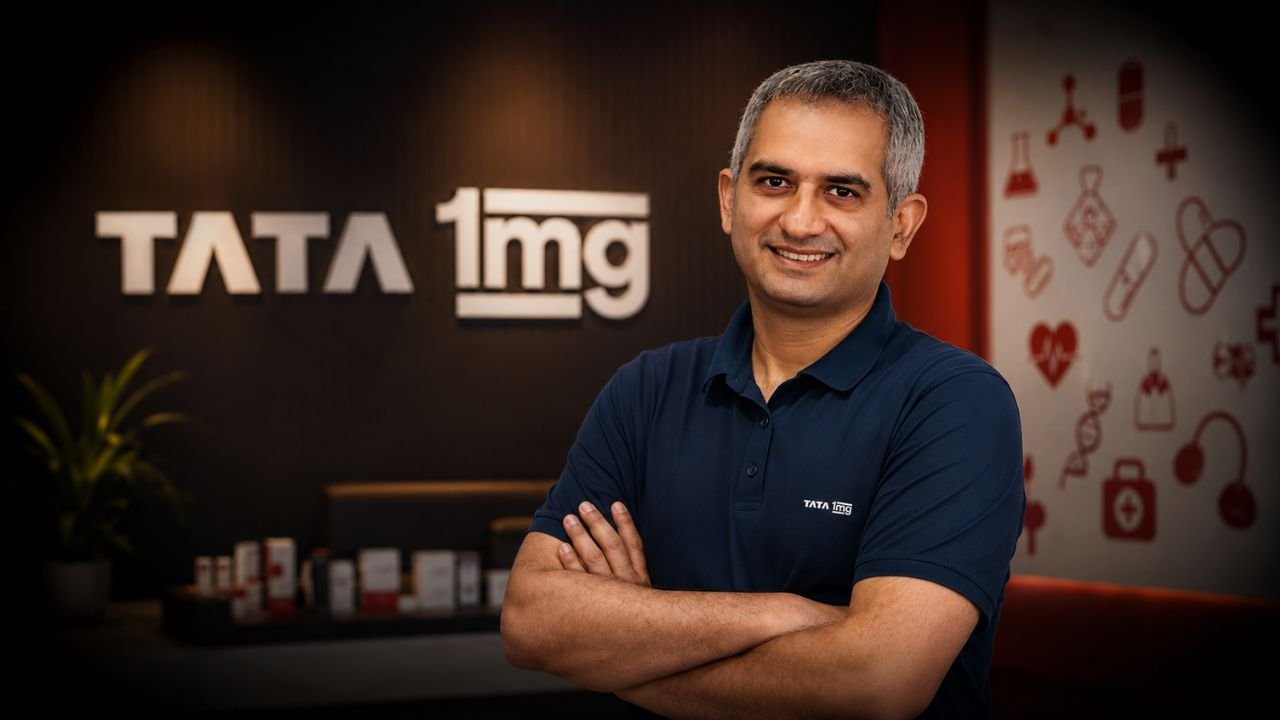
Tata 1mg has reported strong financial growth for FY26, showing that the company is moving closer to becoming fully profitable. The Tata Group-backed healthcare platform posted a consolidated revenue of ₹2,936 crore during the financial year, a 23% increase compared to last year. At the same time, its net loss came down to ₹287 crore, showing better financial control as the business continues to grow.
The latest results come as Tata 1mg has become the largest e-pharmacy company in India based on gross merchandise value (GMV). The company has moved ahead of PharmEasy and is now leading the country’s online pharmacy market.
Tata 1mg Reports Higher Revenue and Better Financial Performance
Tata 1mg’s FY26 performance shows that its focus on steady growth and cost control is paying off. The company’s main healthcare business recorded a turnover of ₹2,439.8 crore while reducing its losses during the year.
A major achievement came in December 2025, when all of Tata 1mg’s core businesses, except its physical retail expansion, became EBITDA positive. The company continued this positive performance during the last quarter of FY26, showing that its business is becoming financially stronger.
Different business segments also performed well during the year. The diagnostics business grew by 40% and crossed ₹600 crore in annual recurring revenue (ARR). The specialty pharma business, which includes cancer care, vaccinations, and obesity treatment, grew by 65%.
The company’s direct-to-consumer healthcare products business also crossed ₹200 crore in ARR while remaining profitable.
Tata 1mg has also become the top player in India’s e-pharmacy market. The company increased its market share to 31%, while some of its competitors lost market share after reducing their marketing expenses and focusing on cutting costs.
Retail Expansion and Corporate Healthcare Drive Growth
Along with its online business, Tata 1mg is expanding its network of physical medical stores across the country. The company plans to have around 500 stores by the end of 2026 and increase the number to nearly 600-700 stores by the end of FY27.
These stores are meant to support the online business rather than replace it. Many customers now buy medicines needed immediately from nearby stores while ordering medicines for long-term treatments through the app. Each store stocks around 3,000 to 5,000 products, while the online platform offers nearly eight lakh products.
The physical stores also help Tata 1mg deliver medicines faster. Instead of joining the race for 10-minute deliveries, the company is focusing on delivering medicines within 30 to 60 minutes in major cities. This approach helps maintain both speed and safety.
The company’s business-to-business (B2B) healthcare segment is also growing quickly. It now contributes around 30% of Tata 1mg’s total revenue and recorded 100% year-on-year growth.
To expand this business further, Tata 1mg recently partnered with OneBanc. Through this partnership, employees can access medicines, diagnostic tests, and preventive healthcare services directly through OneBanc’s AI-powered salary platform.
Funding Talks Continue as Tata 1mg Targets IPO
Tata 1mg is also working on raising fresh funds to support its future expansion. The company is in talks to raise around $200 million, although it currently needs about $125 million for its business plans.
Several global investors have shown interest in the funding round. However, discussions are still going on because both sides have different expectations about the company’s valuation. Tata Digital, which owns around 63% of Tata 1mg, wants a valuation of about $1.25 billion. On the other hand, potential investors are valuing the company at around $750 million to $800 million.
There are also discussions about board seats and governance rights. If the company is unable to raise money from outside investors, Tata Sons is expected to invest around $75 million to support the business.
Looking ahead, Tata 1mg is preparing for a future stock market listing. CEO Prashant Tandon has said that the company does not want to launch an IPO until it becomes fully profitable. The goal is to achieve complete profitability, including investments in new retail stores, by the fourth quarter of FY27 before moving ahead with its IPO plans.
At the same time, Tata 1mg continues to focus on quality healthcare services. The company operates 19 NABL-accredited laboratories across 70 cities, including a CAP-accredited National Reference Laboratory. It also follows strict quality checks for laboratory staff and has a medical content review process led by specialist doctors and medical experts.
With higher revenue, lower losses, growing healthcare services, and clear plans for expansion, Tata 1mg is strengthening its position in India’s digital healthcare market while preparing for its next phase of growth.