

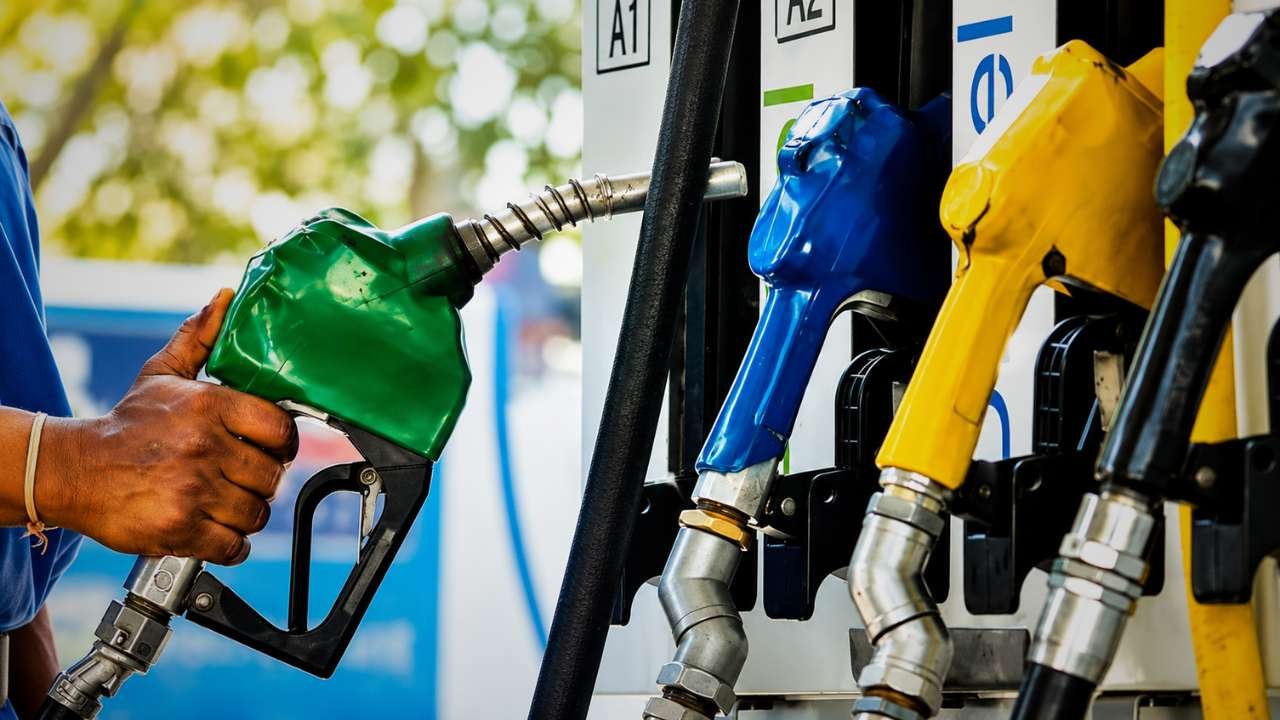
The recent peace deal between the United States and Iran has brought relief to global oil markets, causing crude oil prices to fall sharply. After months of conflict and uncertainty in the Middle East, the agreement has reduced concerns about disruptions to oil supplies. While lower crude oil prices are good news for countries like India, experts say petrol and diesel prices may not come down immediately.
The agreement comes after a major conflict that affected global energy supplies and pushed oil prices to very high levels. With tensions easing and trade routes reopening, the world could see a more stable oil market in the coming months.
Peace Deal Ends a Costly Conflict
The agreement follows a long military conflict involving the United States, Israel, and Iran. The fighting disrupted the Strait of Hormuz, one of the world’s most important oil shipping routes. Around 20% of global oil supplies pass through this narrow waterway, making it critical for international trade.
As the conflict intensified, Brent crude oil prices climbed close to $120 per barrel. This raised concerns about higher fuel prices, inflation, and increased costs for businesses and consumers around the world.
To stop the fighting, US President Donald Trump and Iranian President Masoud Pezeshkian signed a 14-point Memorandum of Understanding on June 17, 2026. The agreement was brokered by Pakistani Prime Minister Shehbaz Sharif and starts a 60-day period of negotiations aimed at reaching a permanent settlement.
The deal includes an immediate ceasefire, commitments from both sides to respect each other’s sovereignty, the reopening of the Strait of Hormuz, sanctions relief for Iran, and the release of billions of dollars in frozen Iranian assets. Iran has also agreed to maintain its current nuclear programme under international monitoring while talks continue.
One of the most important parts of the agreement is the reopening of the Strait of Hormuz for commercial shipping. This is expected to improve oil supplies and bring more stability to global energy markets.
Oil Prices Fall as Supply Concerns Ease
The peace agreement has already had a strong impact on global oil prices. After the deal was announced, crude oil prices dropped from around $120 per barrel to below $80 per barrel, a fall of nearly 40%.
Experts say the biggest reason for this decline is the expectation that Iranian oil exports will return to global markets. The agreement allows Iran to increase its oil exports, which could add millions of barrels of crude oil to global supplies.
Many analysts believe this extra supply could create an oversupply in the market if global demand does not rise at the same pace. As a result, traders and investors have lowered their expectations for future oil prices.
The International Energy Agency (IEA) has said that a lasting peace between the US and Iran could significantly increase global oil availability. This would help improve energy security and reduce pressure on countries that rely heavily on imported oil.
However, some concerns remain. The proposed $300 billion reconstruction plan for Iran has sparked debate in the United States. Some political leaders have questioned how such a large amount of money would be funded. There are also unresolved regional issues that could affect the long-term success of the agreement.
Because of these uncertainties, markets will continue to closely watch developments in the region.
Why Petrol and Diesel Prices May Not Drop Right Away
Even though crude oil prices have fallen sharply, Indian consumers may not see an immediate reduction in petrol and diesel prices.
Industry experts explain that fuel prices at petrol pumps do not change instantly with movements in international oil markets. Oil companies buy crude oil through contracts, and it takes time to refine, transport, and distribute fuel across the country.
Another reason is that oil marketing companies faced heavy costs when crude prices surged during the conflict. With crude touching nearly $120 per barrel, companies had to deal with higher expenses. Many analysts believe these firms may use the current period of lower crude prices to recover some of their earlier losses.
In India, fuel prices are also affected by taxes, transportation costs, refining charges, and the value of the rupee against the US dollar. Because of these factors, a fall in global crude prices does not always lead to an immediate drop in petrol and diesel rates.
Still, the long-term outlook is positive. If crude oil prices remain below $80 per barrel and the peace agreement holds, pressure could increase for lower fuel prices in the months ahead.
For now, the US-Iran peace deal has helped calm global markets and reduced fears of a major energy crisis. While consumers may not see instant relief at fuel stations, the sharp drop in oil prices could eventually benefit households, businesses, and the Indian economy.