
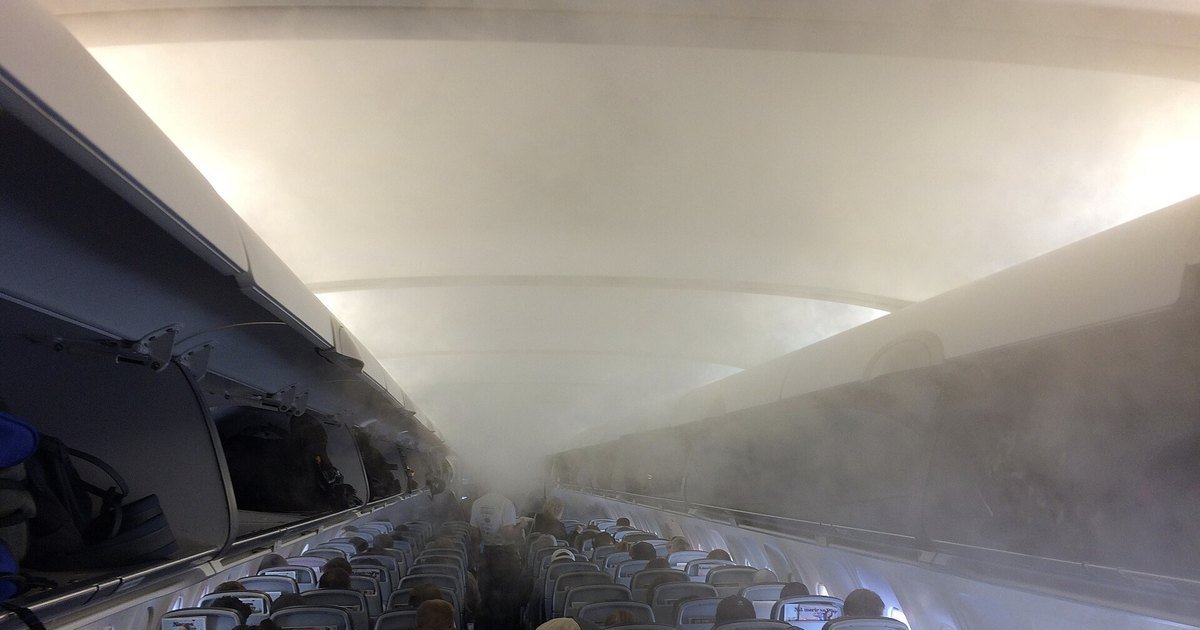
Jet lag is a mismatch between your internal body clock and the local time at your destination, and the practical way to deal with it is to move light exposure, sleep and meals towards local time as quickly as you reasonably can. It usually eases over a few days. How long it lasts depends mainly on how many time zones you crossed and which direction you travelled.
Photo: Wikimedia Commons (CC BY-SA 4.0)
Why the direction of travel matters
Health authorities generally note that travelling east is harder on the body clock than travelling west, because an eastward trip asks you to fall asleep and wake earlier, which the body clock resists. Westward trips ask for the opposite, which most people find easier. A rough rule of thumb is that the disturbance scales with the number of time zones crossed, so a long flight north to south across few zones may leave you far less affected than a shorter flight across many.
US CDC travel health guidance explains jet lag and the timing of light exposure: cdc.gov
Light is the main lever
Daylight is the strongest signal for resetting the body clock. Use it deliberately rather than accidentally.
- On arrival in the morning or early afternoon, get outside in daylight instead of sleeping immediately.
- If you land at night, keep light low, get to bed, and aim for a normal local wake-up time.
- Avoid bright screens and strong overhead light in the two hours before you want to sleep.
- For short trips of two or three days, consider partly staying on home time rather than shifting twice, since a full shift is not achievable that fast.
The UK National Health Service summarises its own advice on jet lag and sleep timing: nhs.uk
Sleep, meals and hydration
Jet lag feels worse when it is stacked on top of dehydration and skipped meals. Air travel is dry, and cabin schedules rarely match your body’s routine.
- Drink water steadily through the flight, and treat alcohol and caffeine as sleep disruptors near your target bedtime.
- Eat at local mealtimes on arrival for the first day or two, even if you are not hungry. Meal timing is a secondary clock signal.
- Keep the first arrival day light and outdoors rather than packing it with indoor commitments.
- Nap briefly if you must, but keep it short and early enough that it does not push your local bedtime later.
What tends to backfire
- Arriving and sleeping for a full day, which delays adjustment.
- Relying on alcohol to fall asleep on the plane, which fragments sleep.
- Shifting your schedule by an hour a day instead of committing to local time.
Australian health authorities take a similar approach, describing light and routine as the core of management: betterhealth.vic.gov.au
Plan the first day around it
If a trip matters, do not schedule the most demanding meeting for the morning after landing. Build in a buffer day or keep the first day to low-stakes tasks. Returning home, expect the same process in reverse, and give yourself a day before you judge your own sleep.
Bottom line
Commit to local time on arrival, use daylight to pull your body clock forward or back, drink water and eat at local hours. Jet lag still happens, but it becomes a two or three day inconvenience rather than a week-long disruption.