

PB Fintech, the parent company of Policybazaar and Paisabazaar, came under heavy selling pressure after Singapore-based MacRitchie Investments sold a large stake in the company through a block deal. The transaction, worth more than ₹1,600 crore, pushed the company’s share price lower as investors reacted to the sudden increase in the number of shares available in the market.
MacRitchie Investments, an indirect wholly-owned subsidiary of Singapore’s state investment firm Temasek Holdings, reduced its stake in PB Fintech by selling around 2.2% to 2.6% of the company’s shares. The deal is one of the biggest stake sales in PB Fintech this year and comes after several major investors have reduced their holdings in recent months.
Large Block Deal Leads to Sharp Fall in PB Fintech Shares
According to market reports, MacRitchie sold between 1.01 crore and 1.19 crore shares at a price of around ₹1,601 to ₹1,604.12 per share. This was nearly 5% lower than the previous day’s closing price of ₹1,682.10, making the shares more attractive to institutional buyers.
The total value of the deal is estimated to be between ₹1,632 crore and ₹1,909 crore, depending on the final number of shares sold. Citigroup Global Markets India handled the transaction as the sole placement agent.
After the sale, MacRitchie’s stake in PB Fintech dropped from around 6.5% to nearly 3.8%. The investor’s remaining shares will be under a 60-day lock-up period, which means they cannot be sold during that time.
The market reacted quickly to the block deal. PB Fintech shares fell more than 8% during the trading session before recovering slightly. By the end of the day, the stock closed at around ₹1,591.20, down about 5.4%.
Trading volumes also jumped sharply. Nearly 1.89 crore shares were traded on the NSE, much higher than the average daily volume over the past three months. The BSE also recorded much higher trading activity, showing strong investor interest after the deal.
Recent Stake Sales Have Increased Investor Concerns
This is not the first time a major shareholder has sold shares in PB Fintech. Over the past few months, several well-known investors have reduced or exited their holdings, raising concerns among retail investors about continued selling pressure.
In May this year, PB Fintech co-founders Yashish Dahiya and Alok Bansal sold around 38 lakh shares through a block deal worth about ₹665 crore. The buyers included large institutional investors such as Morgan Stanley, Goldman Sachs, Tata Mutual Fund and the National Pension System Trust.
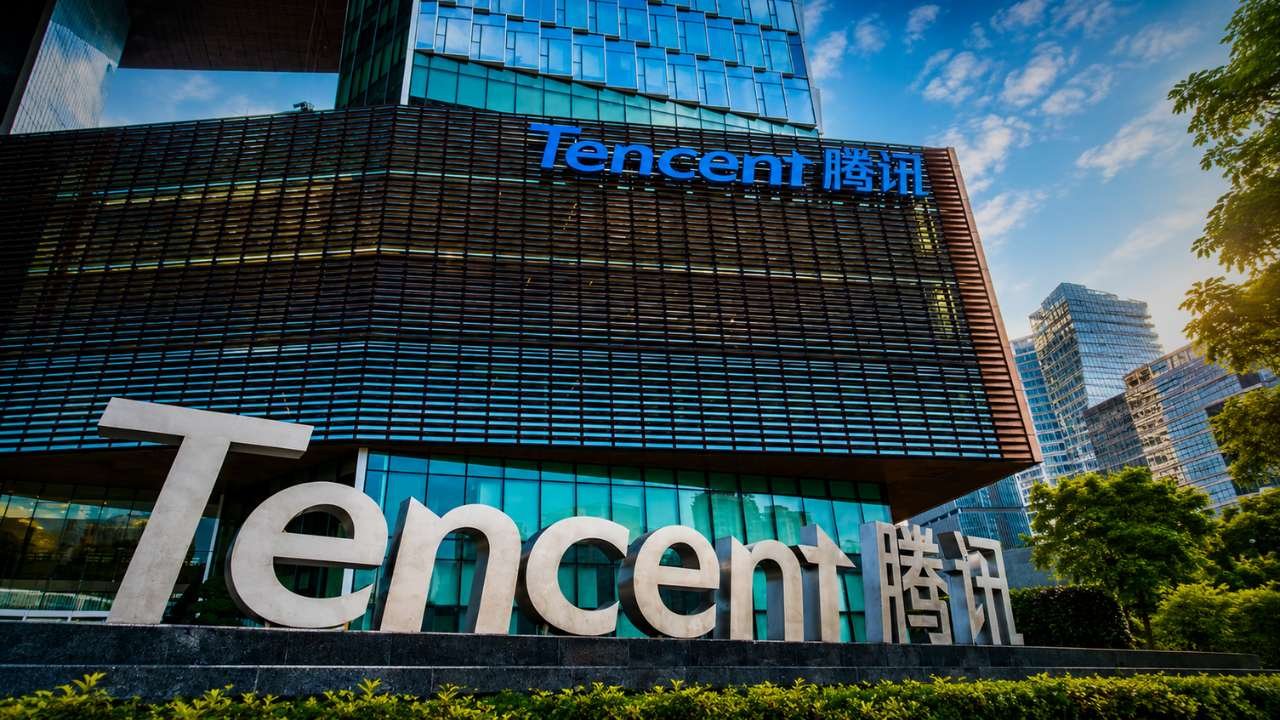
During the same month, Tencent also sold its remaining 1.05% stake in PB Fintech. The Chinese technology company sold around 48.4 lakh shares for nearly ₹805 crore.
Earlier, Japanese investment giant SoftBank had completely exited its investment in the company, earning around $650 million from its sale.
Although these are secondary market transactions and do not affect PB Fintech’s business or cash position, repeated stake sales by early investors often make the market cautious. Investors worry that more shares could come into the market in the future, which can create short-term pressure on the stock price.
However, market experts say such stake sales are common after companies get listed, as early investors gradually book profits over time.
Strong Business Performance Remains the Key Positive
Despite the fall in its share price, PB Fintech continues to report strong business growth.
In the fourth quarter of FY26, the company posted a consolidated net profit of around ₹261 crore, up more than 53% compared to the same period last year. Its revenue also grew by nearly 37% to ₹2,061 crore.
The company’s operating profit almost doubled to ₹218 crore, while its operating margin improved from 7.4% to 10.6%, showing better profitability.
PB Fintech’s insurance business also performed well. Total insurance premiums processed through its platform increased 46% year-on-year to ₹9,217 crore. The company is aiming to achieve ₹1,000 crore in profit after tax by FY27, supported by growth in its retail health insurance business.
The company is also expanding into new businesses. Its board has approved a ₹20 crore investment in its payment aggregation subsidiary, PB Pay, to strengthen its digital payments business. It is also expanding its operations in Dubai as part of its international growth plans.
In another important development, PB Fintech’s subsidiary, PB Marketing and Consulting Private Limited, recently received approval from the Securities and Exchange Board of India (SEBI) to operate as a debt stock broker on the National Stock Exchange’s debt segment. This will help the company expand into fixed-income and debt market services.
While the latest block deal has created short-term pressure on PB Fintech’s stock, the company’s financial performance and expansion plans remain strong. Analysts believe investors are likely to focus more on the company’s long-term growth rather than temporary movements caused by large stake sales.